
Juvenile Drug Crime Lawyer Las Vegas: My Child Was Arrested for Drugs, Will This Ruin Their Future?
For Parents of Minors Arrested for Drug Crimes in Las Vegas
If you are a parent whose child has been arrested for a drug crime in Las Vegas, this page is for you. Here, you’ll find a comprehensive guide covering the legal process, defense strategies, and how to protect your child’s future after a juvenile drug arrest. Understanding what to expect and how to respond is crucial—juvenile drug charges can have serious, lasting consequences, but with the right information and legal support, you can help your child move forward. If you are searching for a juvenile drug crime lawyer in Las Vegas, you are in the right place.


What to Look for in a Juvenile Drug Crime Lawyer in Las Vegas
When searching for a juvenile drug crime lawyer in Las Vegas, parents should prioritize attorneys with experience in Nevada’s juvenile justice system. The right lawyer will focus on rehabilitation, not just punishment, and will work to protect your child’s future opportunities. A skilled Las Vegas juvenile defense attorney can make a crucial difference in navigating the legal process, advocating for your child, and seeking outcomes that emphasize second chances and growth.
A Message to Worried Parents
The juvenile justice system in Nevada emphasizes rehabilitation over punishment for minors, aiming to help young people get back on track rather than simply penalize them.
If you are reading this page, your world has probably been turned upside down.
Maybe you got a call from the Clark County School District (CCSD) police saying they found a vape pen or pills in your child’s locker. Maybe metro police knocked on your door. Maybe you found something in your teenager’s room and you don’t know what to do.
You are scared. You are angry. You are wondering where you went wrong or if your child is going to jail.
I want you to take a deep breath.
My name is Michael Gowdey. For over 30 years, I have stood beside parents just like you in Las Vegas, Henderson, and North Las Vegas. As a defense attorney for juveniles in Las Vegas, I provide legal support and advocacy for minors facing drug charges, working to protect their rights and future. I have seen good kids make bad choices. I have seen honor students get caught up in peer pressure.
Getting caught with drugs is serious, but it does not have to be the end of your child’s story.
The juvenile justice system in Nevada is different from adult court. But make no mistake—the prosecutors are tough, especially now. With the dangers of Fentanyl in our community, they are cracking down harder than ever.
You need a plan. You need someone who knows the system. When facing juvenile drug charges, it is crucial to seek legal counsel to ensure your child’s rights are protected and to navigate the complexities of the juvenile court system. And you need to understand exactly what your family is up against.
This guide is going to explain the difference between possession and sales (it is trickier than you think), the dangers of the current drug laws, and how The Law Offices of Michael I. Gowdey, Ltd. can fight to keep your child’s record clean.
What is the Difference Between Simple Possession and Drug Trafficking for a Minor?
This is the number one misunderstanding parents have.
You might think, “My kid isn’t a drug dealer. They just had a few pills to give to their friends.”
In the eyes of the law, giving drugs to friends can be charged as sales or trafficking. Trafficking offenses are among the most serious drug crime charges a juvenile can face in Nevada.
Let’s break it down simply.
Simple Possession (The "Personal Use" Charge)
This generally means your child was caught with drugs intended only for themselves.
- They had a joint in their pocket.
- They had a single vape pen.
- They had one or two pills that were not prescribed to them.
Possession of prescription medications, such as Valium, without a valid prescription can also lead to charges. In some cases, minor possession may result in misdemeanor charges, especially if only a small amount or drug paraphernalia is involved.
A controlled substance is any drug or chemical whose manufacture, possession, or use is regulated by Nevada law.
In these cases, the charge is usually “Minor in Possession of a Controlled Substance.” While serious, this is easier to defend. We can often argue it was a one-time mistake.
Possession with Intent to Sell (The "Dealer" Charge)
This is where things get scary. You do not need to have a scale, baggies, and stacks of cash to be charged with “Intent to Sell.”
Police look for:
- Quantity: Did they have 10 pills instead of 2?
- Packaging: Were the drugs in separate little bags?
- Messages: Did they have texts on their phone asking “Can I get one?”
If the police find evidence that your child planned to distribute the drugs, the charges upgrade to a felony level.
The "Sharing" Trap
This is the most dangerous trap for teenagers. If your child buys a Xanax bar or a Percocet and breaks it in half to give to a friend at lunch—even if no money changes hands—that is legally considered furnishing or trafficking a controlled substance.
We see this all the time. A group of friends pools their money to buy something. One kid goes to buy it and hands it out to the others. That one kid—the “runner”—can be charged with juvenile drug trafficking charges in Nevada.
This carries much harsher penalties. It looks much worse on a record. And it requires a much more aggressive defense.
Why Is the Fentanyl Crisis Changing How Clark County Handles Juvenile Cases?
We have to have a hard conversation about what is happening in our streets right now.
According to data from the Southern Nevada Health District, deaths involving Fentanyl among young people in Clark County have risen dramatically in recent years. Fentanyl is a synthetic opioid that is 50 to 100 times stronger than morphine.
Because it is cheap and powerful, drug dealers are mixing it into everything. They press it into fake pills that look exactly like OxyContin, Xanax, or Adderall. These represent the “M30” pills you might hear about on the news.
Why does this matter for your legal case? Because judges and prosecutors are terrified. They don’t want a child to die on their watch.
In the past, if a teen was caught with a few unprescribed pills, the court might have given them a slap on the wrist. Today? They treat it as a life-or-death situation. Illegal drugs like fentanyl are now associated with severe penalties and lengthy prison sentences, especially for repeat offenders facing drug crime charges.
- Zero Tolerance: Schools and courts are less likely to look the other way.
- Strict Release Conditions: If your child is released to you, they may be placed on strict house arrest or required to wear a patch that detects drug use.
- Aggressive Prosecution: If your child shared a pill that contained Fentanyl, and the other child got sick or overdosed, your child could face catastrophic legal consequences.
Drug crime charges involving fentanyl or other illegal drugs can have significant consequences for juveniles in Las Vegas.
This is not the time to hope for the best. You need a juvenile drug defense Las Vegas lawyer who understands this specific landscape. We know how to show the court that your child made a mistake but is not a danger to the community.
What Are the Most Common Juvenile Drug Charges We See in Las Vegas?
At The Law Offices of Michael I. Gowdey, Ltd., we defend minors against all types of drug accusations. The most common drug offenses and juvenile offenses in Las Vegas involve possession, sales, and distribution of controlled substances, and juvenile offenders face a range of drug offenses under Nevada law. Here are the most common ones we see in Las Vegas and North Las Vegas.
Marijuana and Cannabis Concentrates
“But isn’t weed legal in Nevada?” Yes, for adults over 21. For anyone under 21, it is still illegal. Marijuana possession by minors is a criminal offense under Nevada law, and juveniles facing marijuana possession charges should seek legal defense.
The bigger issue today is Concentrates (Wax, Dabs, Vape Pens).
- These have very high THC levels.
- In Nevada law, possession of concentrated cannabis used to be treated much more harshly than “flower” (leafy marijuana). While laws have evolved, bringing a “dab pen” to school is an instant arrest and suspension.
Prescription Pills (The "Farmapram" Issue)
We see many cases involving “bars” (Xanax) or painkillers. Often, kids buy these off social media apps like Snapchat. They have no idea if they are real or fake. Possession of a Schedule II (like Oxycodone) or Schedule IV (like Xanax) substance without a prescription is a felony-level offense in adult court, and a serious delinquency act in juvenile court.
Nevada classifies controlled substances into five schedules based on their potential for abuse and medical use.
Vaping and Paraphernalia
It is not just the drug; it is the device. Being caught with a pipe, a grinder, or a vape pen is a separate charge called “Possession of Drug Paraphernalia.” Police often stack this charge on top of the possession charge.
Drug paraphernalia includes items like pipes, grinders, or vape pens, and possession of these is illegal in Nevada even without drugs present.
Constructive Possession (The "It Wasn't Mine" Defense)
This happens often. Your child is in a car with three friends. Police pull the car over. They find a bag of drugs under the passenger seat. Nobody admits it is theirs. The police might arrest everyone in the car. This is called “Constructive Possession.” The law says if you had access to it and knew it was there, you possessed it. This is a charge we fight aggressively. Just because your child was in the car doesn’t mean the drugs belonged to them. We work to prove they didn’t know, or that it belonged to someone else.
Can a School Search My Child’s Backpack or Locker Without a Warrant?
This is a question we get asked almost every week.
In the “real world,” police need “Probable Cause” and usually a warrant to search your property. In schools, the rules are different.
The Supreme Court case New Jersey v. T.L.O. set a different standard for students. School officials (like principals or deans) only need “Reasonable Suspicion” to search a student.
What is Reasonable Suspicion?
- A teacher smells marijuana on your child.
- Another student tips off the principal that your child has drugs.
- Your child is acting strangely or stumbling.
If the school has reasonable suspicion, they can search your child’s backpack, locker, and pockets without calling you first.
However, there are limits.
- The School Police: If a police officer (even a school resource officer) conducts the search purely for a criminal investigation, they might be held to a higher standard than a principal just enforcing school rules.
- The Strip Search: Schools generally cannot strip search a student. That is too intrusive.
If your child was searched illegally, we can file a motion to suppress the evidence. If the judge agrees the search broke the rules, any evidence obtained during the illegal search may be excluded from the prosecution’s evidence in court. This can significantly weaken the prosecution’s case, and the drugs cannot be used as evidence, so the case might be dismissed.
What Happens After a Juvenile Drug Arrest in Clark County?
The process is scary because it is unfamiliar. A juvenile drug arrest initiates a criminal proceeding within the legal system, and understanding the legal process is crucial for families to ensure their child’s rights are protected. Here is a step-by-step of what usually happens in the Clark County Family Court system.
Step 1: The Arrest or Citation
The Arrest or Citation: For minor offenses (like a small amount of marijuana), police might just issue a citation and release your child to you. The nature of the alleged offense or alleged crime will influence whether the police issue a citation or make an arrest. For serious offenses (like sales or pills), they might take your child to Juvenile Hall (The Harbor or DJJS).
Step 2: The Detention Hearing
The Detention Hearing: If your child is held in custody, they must see a judge quickly—usually within 72 hours. This is arguably the most important hearing. The judge decides:
-
- Do they stay in Juvenile Hall until the trial?
- Do they go home on House Arrest?
- Do they go home with no restrictions?
Having a teen drug possession lawyer at this hearing is critical. We argue for your child to come home. We show the judge that you are involved parents who will supervise them. We don’t want your child sitting in detention for weeks waiting for a court date. Legal representation by an experienced juvenile defense attorney is essential to ensure your child receives fair treatment in the juvenile court system.
Step 3: The Plea Hearing
The Plea Hearing: The prosecutor will read the charges. We will enter a plea of “Deny” (Not Guilty). This gives us time to review the evidence, watch the body cam video, and negotiate. Your attorney can also challenge evidence presented by the prosecution to strengthen your child’s defense.
Step 4: Negotiation and Trial
Negotiation and Trial: We talk to the District Attorney. We point out the weaknesses in their case.
- “The search was bad.”
- “The drugs belonged to the other kid.”
- “This is a first offense.”
Your juvenile drug crime lawyer may also negotiate plea deals with the District Attorney to seek reduced charges or penalties for your child.
Most cases are resolved here. If we can’t reach a fair deal, we go to trial (called an Adjudication Hearing). In juvenile court, there is no jury. The judge decides.
How Can We Keep a Drug Charge Off Your Child’s Record?
Our goal at The Law Offices of Michael I. Gowdey, Ltd. is simple: Protect the Future.
A criminal conviction can result in a permanent criminal record, which may have serious consequences for your child’s future, including limiting educational, employment, and housing opportunities.
We don’t want a college admissions officer or a military recruiter to see a drug charge on your child’s record. We use several strategies to achieve this. Avoiding a criminal record is crucial to protecting your child’s future opportunities.
1. Informal Supervision
For first-time offenders with minor charges, we can often negotiate “Informal Supervision.” This means the case never officially goes to court.
- Your child meets with a probation officer.
- They might do community service or take a drug education class.
- If they stay out of trouble for 3 to 6 months, the case is closed. No conviction.
2. Drug Court / Diversion Programs
Clark County has a specific Juvenile Drug Court. This is an intensive program for kids who have a real substance abuse problem. It is hard work. It involves frequent drug testing, counseling, and appearing before the judge often. But the reward is huge: If your child graduates from the program, the charges are typically dismissed. It focuses on healing the addiction, not punishing the child.
3. The “Deferral”
We can ask the judge to find your child “delinquent” but defer (pause) the judgment. We say, “Your Honor, give us 6 months.” If your child stays clean, keeps their grades up, and follows the rules, the judge can go back and dismiss the charge later.
What Are the Long-Term Consequences of a Juvenile Drug Conviction?
Why fight so hard? Because the consequences go far beyond a weekend in detention.
Loss of Driving Privileges
In Nevada, if a juvenile is found delinquent for a drug offense (even if they weren’t driving!), the DMV can suspend their driver’s license. For a teenager, losing the ability to drive to school or work is a major blow. Delays in getting a license can last for months or years.
Federal Financial Aid (FAFSA)
Drug convictions can mess up your child’s ability to get student loans or grants for college. While the laws on this are relaxing slightly, having a drug record makes the application process much harder.
Military Service
The military is very strict about drug use. A conviction for selling drugs or possession of hard drugs can be a permanent disqualifier for joining the Army, Navy, Air Force, or Marines. Even a simple marijuana charge can require a difficult waiver process.
Housing and Employment
When your child turns 18 and applies for an apartment, a background check might reveal their juvenile history if it hasn’t been sealed properly. Many landlords have “crime-free” policies that ban tenants with drug records. Prior offenses, especially those classified as a D felony or category B felony, can make it even more difficult for your child to secure housing or employment in the future, as these serious drug convictions carry significant legal consequences in Nevada.
Why Choose Michael Gowdey for Your Child’s Defense?
You have a lot of choices for lawyers in Las Vegas. Why choose us?
Michael Gowdey is an experienced criminal defense lawyer and criminal defense attorney with a proven track record of defending Las Vegas juvenile clients facing drug crime charges.
30+ Years of Experience
I have been practicing law since before your teenager was born. I have seen the laws change. I have seen the judges rotate. I know how the system works. Experience means I don’t have to guess what will happen; I have likely seen it before.
We Focus on the Child, Not Just the Case
I am a father. I know that teenagers are impulsive. They make mistakes because their brains are still developing. I treat my juvenile clients with respect. I explain things to them in a way they understand. I want them to learn from this, not be crushed by it.
Highly Rated and Award Winning
Our firm is recognized for excellence because we get results. We have a track record of getting charges reduced or dismissed.
We Handle the Whole Picture
If your child is facing expulsion from school because of the arrest, we can advise you on that too. If there are family law issues contributing to the behavior, we handle Family Law. We look at the total situation to help your family heal.
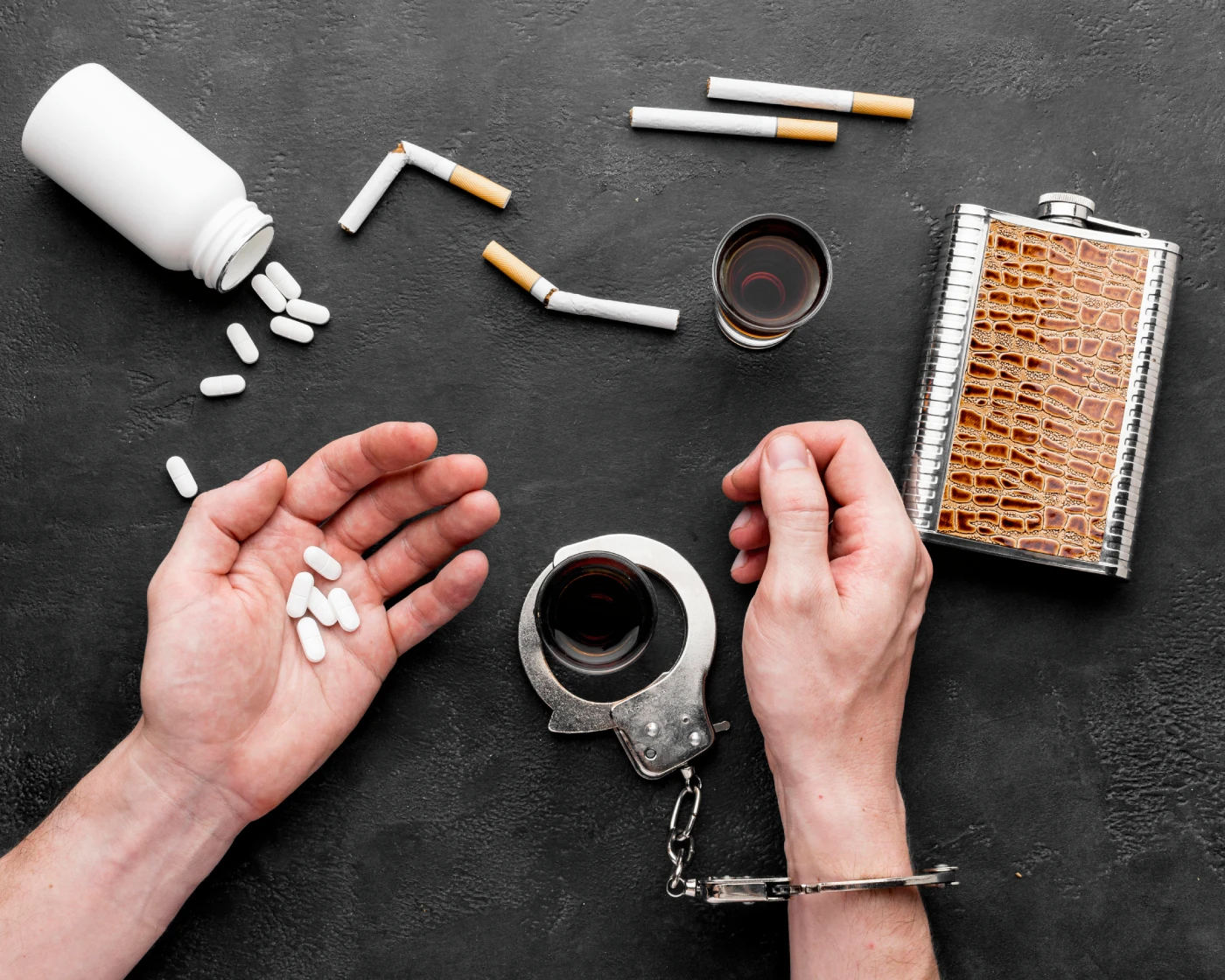
Key Takeaways
- Sharing = Selling: Giving a friend a pill or a joint can be charged as trafficking, which is much more serious than possession.
- Fentanyl is a Game Changer: The courts are stricter than ever because fake pills are killing kids.
- Zero Tolerance: “Legal” weed is not legal for minors. Vape pens in school lead to immediate arrest.
- School Searches: Schools have broad powers to search backpacks, but they still have rules they must follow.
- Protect the Record: A drug conviction can hurt financial aid, driving privileges, and military enlistment.
- Hire Experience: You need a lawyer who knows the Clark County juvenile system intimately.
Do Not Let One Mistake Define Your Child’s Life
Your teenager has dreams. They have potential. Do not let a drug charge derail everything they have worked for.
At The Law Offices of Michael I. Gowdey, Ltd., we fight for Second Chances. We fight for families in Las Vegas, Henderson, and North Las Vegas.
We know you are worried. Let us carry that burden for you.
Visit our contact page to schedule a consultation. Let’s get your child back on the right track.
Disclaimer: The information provided on this website does not, and is not intended to, constitute legal advice; instead, all information, content, and materials available on this site are for general informational purposes only. Information on this website may not constitute the most up-to-date legal or other information.
FAQS
Frequently Asked Questions (FAQs) for Juvenile Drug Lawyers
1. Will my child be charged as an adult for selling drugs?
Answer: Usually, no. In Nevada, the juvenile court system is designed to handle most juvenile drug cases, focusing on rehabilitation rather than punishment. However, legal representation is essential to navigate this process and protect your child’s rights. If the crime was very serious (like selling huge amounts or using a weapon), the prosecutor could try to certify the child as an adult. This is rare but terrifying, and it requires an immediate legal defense.